Wednesday, February 11, 2026

Shipping Delay 2026: What It Taught Me About the Real Cost of Cheap Logistics

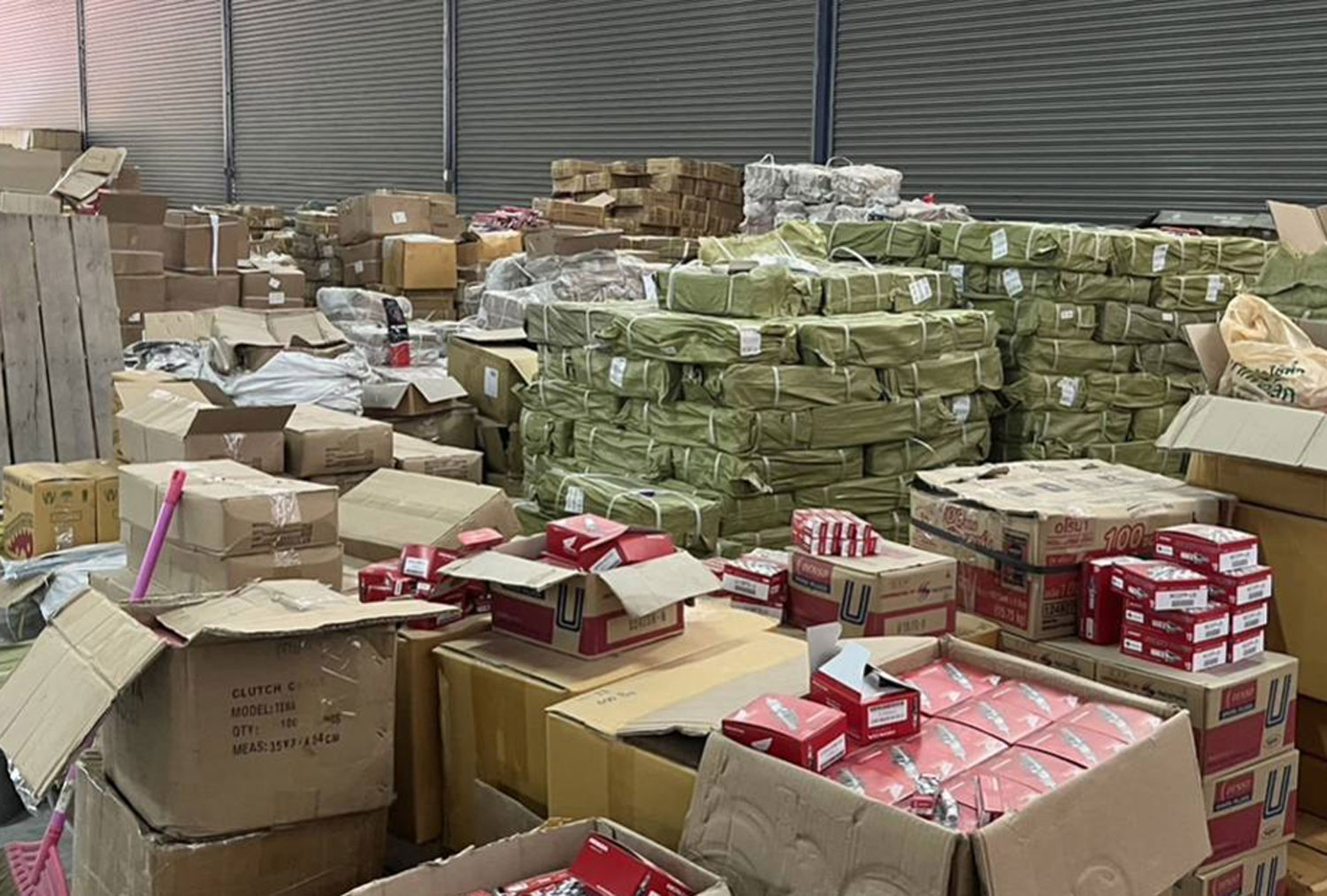
In the logistics industry, silence is rarely a good sign. A quiet warehouse often means a stalled supply chain. As the first quarter of the year unfolds, the industry is grappling with a phenomenon now widely referred to as the Shipping Delay 2026. This isn't an isolated incident or a localized bottleneck; it is a systemic stress test that has exposed the fragility of modern supply chain strategies.

For years, the dominant philosophy in logistics management has been the pursuit of the absolute lowest unit cost. Procurement teams have been incentivized to drive freight rates down, often treating shipping as a commodity where the only differentiator is price. However, the current crisis has demonstrated that this approach is fundamentally flawed.

When a Shipping Delay 2026 scenario hits, characterized by extended dwell times, carrier rollovers, and equipment shortage,s the companies that prioritized rock-bottom rates are the first to suffer. They find their cargo stranded in transshipment hubs while premium freight moves forward. This article analyzes why the "cheapest link" in the supply chain is often the one that snaps, and why shifting the focus from cost reduction to operational stability is no longer optional; it is a survival necessity.


The Cost-Cutting Trap in Logistics

To understand the current crisis, one must first examine the incentives that created it. Cost cutting in logistics has long been the primary KPI for supply chain directors. The logic is seductive: if a company can shave 12% to 15% off its annual freight spend by switching to budget carriers or aggressive consolidators, those savings drop directly to the bottom line.

This creates a dangerous feedback loop. Logistics managers are rewarded for negotiating cheaper rates, optimizing warehouse operations to the decimal point, and reducing inventory to "lean" levels. The goal is to be cheaper than the competition. However, this strategy relies on a "fair-weather" model. It assumes that vessels will sail on time, that ports will remain uncongested, and that labor availability will remain constant.

When the market is stable, this lean model looks efficient. But the moment volatility enters the system, the lack of operational slack becomes a liability. The current disruptions have revealed that aggressive cost-cutting often removes the very shock absorbers, such as premium carrier guarantees and safety stock, that are essential for weathering a storm.

When One Weak Link Breaks the Chain

The anatomy of a supply chain disruption often begins with a single, seemingly minor decision: the choice of a lower-tier logistics provider.

In the lead-up to 2026, many organizations shifted significant volumes to budget carriers to offset rising operational costs. These carriers, while offering attractive spot rates, often lack the infrastructure of their premium counterparts. They may not own their own terminals, they may rely on leased chassis fleets, and they often have lower priority in alliance vessel sharing agreements (VSAs).

When the pressure mounts, this budget tier is the first to fail. A "rollover" where a container is bumped from its scheduled vessel to a later one is the canary in the coal mine. For a premium shipper, a rollover might mean a three-day delay. For a budget shipper, it can mean weeks of stagnation.

This is exactly what is playing out in the Shipping Delay 2026. Containers booked on "market-lowest" rates are being buried in stacks at origin ports or transshipment hubs. The budget carriers simply do not have the leverage to get these boxes onto the ship when capacity is tight. The result is a total breakdown in lead time reliability, transforming a localized delay into a critical inventory crisis.

The Real Impact of Port Congestion 2026

The current landscape of port congestion 2026 is structurally different from the disruptions seen earlier in the decade. This is not merely a demand-driven surge. It is a complex convergence of factors: ongoing labor negotiations at major West Coast gateways, the messy integration of automated terminal operating systems, and geopolitical friction altering trade routes.

In this environment, terminal operators and major ocean alliances are exercising strict capacity discipline. They are prioritizing volume from long-term, key account partners. The "spot market gambler" the shipper who jumps from carrier to carrier chasing the lowest rate is finding themselves locked out.

The financial impact of a freight delay in this context extends far beyond the shipping invoice.

  • Detention and Demurrage (D&D): Companies are accruing thousands of dollars in daily fees for containers that they physically cannot retrieve or return due to congestion. These fees often eclipse the original freight savings.

  • The Air Freight Panic: To prevent production line shutdowns, logistics managers are forced to air freight heavy raw materials. The cost differential, often 10x to 15x that of ocean freight, erases months of accumulated savings in a single transaction.

  • Operational Paralysis: When raw materials don't arrive, factories go silent. Overhead costs continue, labor must be paid (or furloughed), and production schedules are thrown into chaos.

  • Commercial Fallout: Perhaps the most damaging cost is reputational. Missed Service Level Agreements (SLAs) with retail partners or distributors lead to penalties and, more importantly, a loss of trust.

Why Logistics Resilience Matters More Than Cost

The industry is currently witnessing a painful paradigm shift. The era of "Just-in-Time" (JIT) perfection is giving way to a "Just-in-Case" (JIC) reality. In this new era, logistics resilience is the ultimate competitive advantage.

Resilience is defined as the ability of a supply chain to absorb shocks and recover operational capability after a disruption. It requires a fundamental change in mindset: moving from viewing logistics as a cost center to be minimized to viewing it as a risk management function.

Risk management in logistics involves quantifying the cost of failure. If a 5% savings on freight carries a 20% risk of a stockout, it is a bad deal. Organizations must start articulating the value of stability to their finance teams. A slightly higher freight rate that comes with a guaranteed slot and equipment availability is not an expense, it is an insurance policy against the much higher cost of business interruption.

Building Buffer Inventory & Multi-Carrier Strategy

To inoculate supply chains against the lingering effects of the Shipping Delay 2026 and future shocks, experts recommend two immediate strategic pivots.

1. The Strategic Necessity of Buffer Inventory

For years, buffer inventory was a dirty word, synonymous with inefficiency and tied-up working capital. The current crisis has rehabilitated its reputation. Inventory is the only physical hedge against uncertainty.

Successful logistics strategies now incorporate safety stock levels calculated not on average lead times, but on worst-case scenarios. This does not mean hoarding; it means strategically placing inventory closer to the end consumer or holding raw material reserves that can sustain production for 3-4 weeks of total supply chain silence. The carrying cost of this inventory is the price paid for continuity.

2. Implementing a Multi-Carrier Strategy

Reliance on a single carrier or a single alliance is a single point of failure. A robust logistics strategy requires diversification.

  • Core Partners: Allocating 60-70% of volume to premium, asset-based carriers under long-term contracts. These relationships must be nurtured, not commoditized.

  • Niche Players: Utilizing specialized carriers for specific trade lanes where they have a unique advantage or alternative routing (e.g., using secondary ports to avoid major congestion hubs).

  • Forwarder Networks: leveraging the buying power and flexibility of Non-Vessel Operating Common Carriers (NVOCCs) to access capacity that BCOs (Beneficial Cargo Owners) cannot access directly.

This multi-carrier approach ensures that if one provider faces a meltdown, the entire supply chain does not collapse.

Conclusion: Logistics Is Risk & Trust Management

The events of 2026 have served as a harsh tutorial for the industry. The empty shelves and stalled assembly lines are a testament to the fact that when a supply chain is optimized solely for cost, it becomes brittle.

Logistics resilience is not about technology or forecasting algorithms, though those tools are valuable. It is about the physical reality of moving goods through a volatile world. It is about understanding that reliability has a price tag, and that price tag is worth paying.

Logistics is risk management. It is trust management. It is the physical manifestation of a company's promise to its customers. When the logistics fail, the promise is broken. The most successful companies of the next decade will be those that prioritize the stability of that promise over the allure of the lowest bid.

FAQ: Navigating Supply Chain Disruptions

Q1: What are the primary drivers behind the Shipping Delay 2026? The Shipping Delay 2026 is driven by a convergence of structural issues: unresolved labor disputes at key West Coast ports, the complex rollout of automated terminal infrastructure causing temporary throughput reductions, and strict capacity management by ocean carrier alliances.

Q2: How does increasing buffer inventory actually save money? While increasing buffer inventory raises warehousing and carrying costs, it prevents the exponential costs associated with disruption: expedited air freight, factory downtime, lost sales, and contractual penalties. It effectively smooths out the volatility of the supply chain, protecting the gross margin.

Q3: Why is a multi-carrier strategy considered a form of risk management? A multi-carrier strategy prevents a "single point of failure." If a shipper relies 100% on one carrier and that carrier experiences a rollover or equipment shortage, the shipper is stranded. Diversifying across different alliances ensures that if one channel is blocked, others remain open, maintaining the flow of goods.

Q4: What role do Foreign Trade Zones (FTZ) play in mitigating port congestion 2026? FTZs allow companies to move goods off the port quickly to a designated zone for customs processing, avoiding the bottleneck at the terminal gate. This improves cash flow by deferring duty payments and allows for faster access to inventory during periods of high congestion.

Is your supply chain built to withstand the next disruption?

Do not wait for a crisis to expose the weaknesses in your logistics strategy. For a comprehensive analysis on securing your operations against future delays, access our latest industry report.


Download our Lunar New Year 2026 Supply Chain Impact & Recovery Guide here.

Monday, July 22, 2024

Efficient and Reliable Shipping of Car Parts with Worldcraft Logistics

In the fast-paced automotive industry, timely and secure delivery of car parts is crucial. Whether you are a manufacturer, dealer, or repair shop, ensuring that car parts arrive on time and in perfect condition is essential for maintaining your operations and satisfying your customers. Worldcraft Logistics understands this need and offers specialized shipping services tailored to the unique demands of the automotive sector.


Forecast of the global auto accessories market in 2031 and revealed opportunities

The global passenger car accessories market is currently valued at US$ 540 billion in 2024 and is projected to grow steadily at a compound annual growth rate (CAGR) of 6%, reaching US$ 810 billion by 2031.

Key Trends and Drivers

1. Vehicle Customization Trend

The global trend of vehicle customization is gaining momentum, especially among younger demographics who seek to enhance their driving experience and vehicle aesthetics. Popular additions include chrome accessories, spoilers, LED lights, and alloy wheels, which boost the aftermarket for passenger car accessories.


2. Technological Innovations

Technological advancements are pivotal in driving market growth. Modern vehicles are equipped with advanced infotainment systems such as CD players, Bluetooth, USB ports, video panels, GPS, and multiple speakers. These enhancements not only improve the in-car experience but also propel the market for infotainment accessories.

3. Infotainment Systems

Infotainment systems have become a dominant segment within the passenger car accessories market. The rise of high-tech vehicles, including connected and autonomous cars, has increased the incorporation of advanced infotainment systems. The adoption of smartphones and high-speed Internet also contributes to the rising demand for these systems.

4. Lightweight Materials

Manufacturers are focusing on fuel efficiency and lightweight vehicles by using materials like high-strength steel and thermoplastics. These materials help produce components that meet stringent fuel efficiency standards. Regulatory norms mandating the replacement of automotive accessories based on their life duration further boost aftermarket demand.


Regional Insights

  • Europe: Europe is expected to hold a significant share of the global market, driven by technological advancements and high demand for music accessories and LCDs.
  • United States: The U.S. market is set for steady growth, supported by innovative product development and a strong aftermarket segment.
  • Asia Pacific: In the Asia Pacific region, India leads with a robust CAGR, driven by increasing adoption of infotainment systems and rapid technological upgrades.

Market Segments

  • Electronics Accessories: Electronics accessories dominate the market, driven by consumers' preference for an entertaining driving experience and the rise in compact passenger car sales and smartphone usage. Popular electronic accessories include head-up displays, dashcams, rear backup cameras, and radar blind-spot sensor kits, enhancing vehicle safety and entertainment.
  • Aftermarket Sales Channel: The aftermarket sales channel significantly drives market expansion. The growth of Internet activity and e-Commerce has enabled manufacturers to offer high-quality products quickly and efficiently. The ongoing pandemic has further accelerated online shopping and the demand for aftermarket car accessories.


Overall, the passenger car accessories market is poised for significant growth, driven by customization trends, technological innovations, and increasing demand for advanced infotainment systems and lightweight materials. Regional dynamics and the dominance of electronic accessories also contribute to the market's expansion.

 Another interesting article for you:

Why Choose Worldcraft Logistics for Car Parts Shipping?

1. Expertise in Automotive Logistics

At Worldcraft Logistics, we specialize in the intricacies of automotive logistics. Our team is well-versed in handling all types of car parts, from small components to large assemblies. We understand the specific requirements for packaging, transportation, and customs clearance of car parts, ensuring they reach their destination safely and on time.

2. Customized Shipping Solutions

No two shipments are alike, and we recognize the importance of providing customized solutions to meet your specific needs. Our shipping services are flexible, accommodating various sizes, weights, and types of car parts. We offer both domestic and international shipping options, ensuring your parts can reach any corner of the globe.

3. Advanced Tracking and Monitoring

We provide real-time tracking and monitoring of your shipments, giving you peace of mind and allowing you to stay informed about the status of your car parts at every stage of the journey. Our advanced tracking systems enable you to monitor your shipment's progress, ensuring timely and accurate delivery.

4. Competitive Pricing

We understand the importance of cost-effectiveness in logistics. Our services are competitively priced, providing you with value for money without compromising on quality. We offer transparent pricing with no hidden fees, ensuring you can budget effectively for your shipping needs.


>>> Click to read all the article: https://worldcraftlogistics.com/shipping-car-parts

Our Shipping Process

1. Initial Consultation

We begin with an initial consultation to understand your specific shipping requirements. Our experts will assess the nature of the car parts, the destination, and any special handling needs to tailor a solution that fits your needs.

2. Packaging and Documentation

Proper packaging is essential for the safe transport of car parts. Our team ensures that all items are securely packed to prevent damage during transit. Additionally, we handle all necessary documentation, including customs paperwork, to streamline the shipping process and avoid delays.

3. Transportation and Tracking

Once the car parts are packed and documented, we arrange for transportation using our network of reliable carriers. Whether it's by air, sea, or land, we choose the most efficient and cost-effective route. Our tracking systems keep you informed about the progress of your shipment, providing updates at key stages.

4. Delivery and Follow-up

Upon arrival at the destination, we ensure that the car parts are delivered promptly and in perfect condition. Our team follows up with you to confirm receipt and address any concerns or feedback.


Benefits of Partnering with Worldcraft Logistics

1. Reliability and Trust

Our track record of successful car parts shipments speaks for itself. We are a trusted partner for many in the automotive industry, known for our reliability and commitment to excellence.

2. Customer Support

Our dedicated customer support team is available to assist you at any time. Whether you have questions about your shipment or need assistance with a new order, we are here to help.

3. Streamlined Operations

By partnering with Worldcraft Logistics, you can streamline your operations and focus on your core business activities. We handle the logistics, so you don't have to worry about the complexities of shipping car parts.

4. Scalability

As your business grows, so do your shipping needs. We offer scalable solutions that can accommodate your increasing demand, ensuring you have a logistics partner that can grow with you.

Contact Us

Ready to experience the benefits of efficient and reliable car parts shipping? Contact Worldcraft Logistics today to learn more about our services and how we can help streamline your supply chain. Trust us to deliver your car parts safely, on time, and at a competitive price.

Wednesday, July 3, 2024

Secure Warehouse Services Solutions in the USA | Worldcraft Logistics

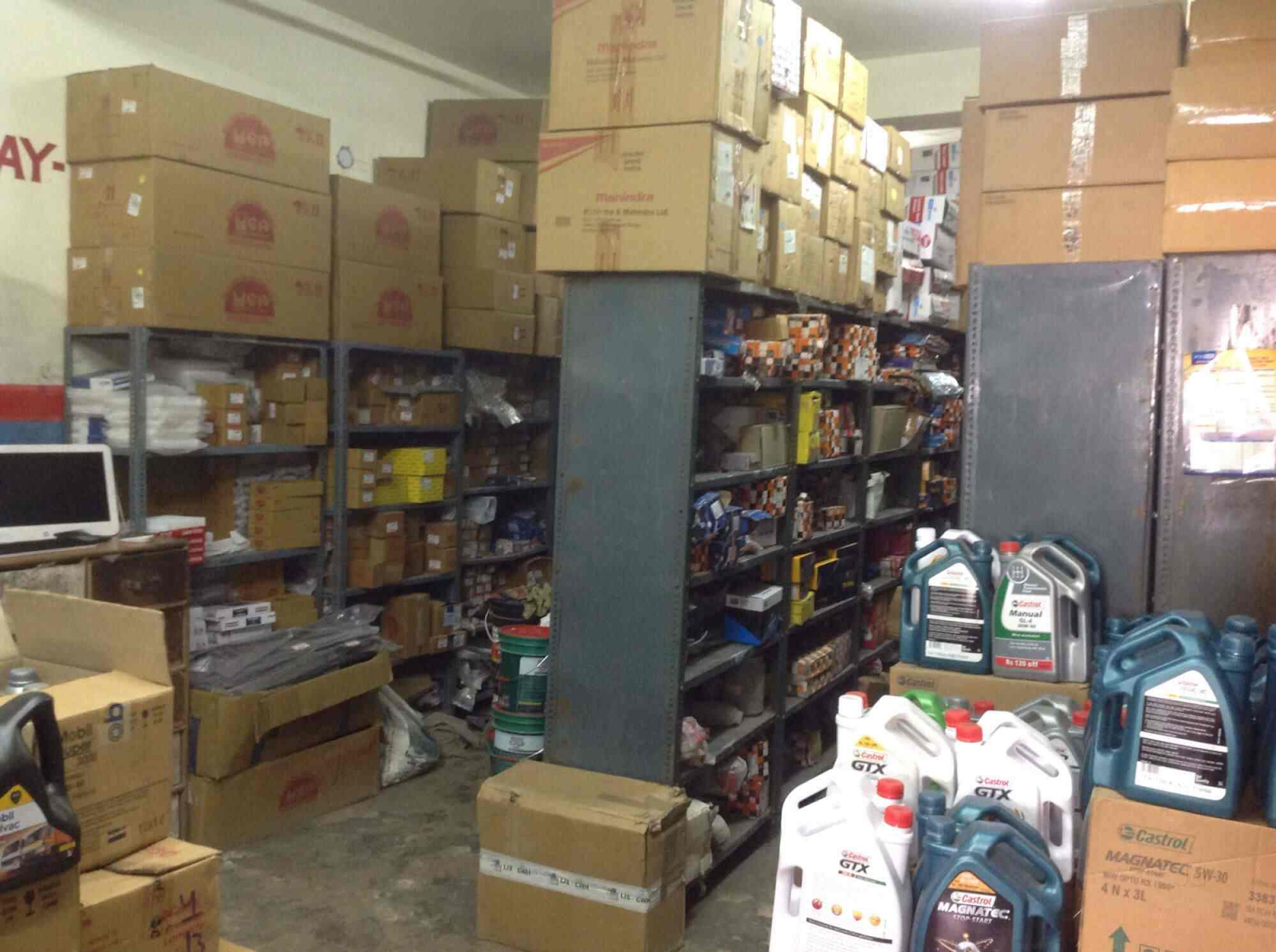
For reliable warehouse services in the USA, turn to Worldcraft Logistics. Our commitment to excellence and customer satisfaction has made us a trusted leader in the industry. We offer a wide range of services designed to optimize your supply chain and streamline your operations. Whether you need storage, distribution, or fulfillment services, we have the expertise and resources to meet your needs. Experience the difference that Worldcraft Logistics can make for your business today.


Benefits of Working with Warehousing Services in the USA

1. Cost-Effective Solution

Partnering with a warehousing service in the US provides a cost-effective solution for businesses of all sizes. By outsourcing storage and logistics, companies can avoid the significant capital expenditures required to build and maintain their own warehouse facilities. This allows businesses to allocate resources more efficiently, focusing on core activities such as production and sales.

2. State-of-the-Art Facilities

Warehousing services in the US offer state-of-the-art facilities equipped with the latest technology and infrastructure. These facilities are designed to handle a wide range of products, ensuring optimal storage conditions. Advanced security systems, climate control, and automated inventory management systems are just a few examples of the modern amenities available, providing peace of mind and efficient operations.

3. Timely Delivery

Timely delivery is a critical component of customer satisfaction. Warehousing services in the US prioritize efficient logistics and distribution networks to ensure that products are delivered to customers on time. By leveraging their expertise and extensive transportation networks, these services help businesses meet tight deadlines and maintain a competitive edge in the market.


đŸ‘‰ Maximize your business efficiency with our top-notch warehousing solutions. Click to discover more: https://worldcraftlogistics.com/our-services/warehouse

Services Offered by Warehousing Services in the USA

1. Fulfillment Centers

Fulfillment centers are specialized facilities designed to handle the storage, packaging, and shipping of products on behalf of businesses. These centers play a crucial role in the e-commerce industry, ensuring that orders are processed quickly and accurately. By using fulfillment centers, companies can scale their operations without the need to invest in additional infrastructure.

2. Fulfillment Warehouse Services

Fulfillment warehouse services go beyond basic storage solutions. They include comprehensive logistics support, such as order processing, inventory management, and returns handling. This end-to-end service ensures that businesses can streamline their supply chain operations, reduce lead times, and enhance overall efficiency.

3. Warehouse Management System

A Warehouse Management System (WMS) is a software solution that optimizes warehouse operations. WMS helps in managing inventory, tracking shipments, and improving accuracy. By implementing a WMS, warehousing services in the US can offer businesses real-time visibility into their stock levels, order statuses, and other critical metrics, enabling better decision-making and improved customer service.


Things to Consider When Looking for a Warehousing Services Provider

1. Fulfillment Service

When choosing a warehousing services provider, it is essential to evaluate their fulfillment service capabilities. This includes their ability to handle order processing, packaging, and shipping efficiently. A provider with a robust fulfillment service can significantly impact your business's operational efficiency and customer satisfaction.

2. Storage Fees

Storage fees are a crucial factor to consider when selecting a warehousing services provider. It is important to understand the cost structure and ensure that it aligns with your budget and business needs. Look for providers that offer transparent pricing models and flexible storage options to accommodate your inventory requirements.

3. Customer Satisfaction

Customer satisfaction should be a top priority when choosing a warehousing services provider. Research their track record, read reviews, and seek recommendations to ensure that they have a history of delivering excellent service. A provider committed to customer satisfaction will be a valuable partner in your supply chain management.


Does Your Business Need a Warehousing Services Provider?

Determining whether your business needs a warehousing services provider depends on various factors, including the volume of your inventory, your distribution needs, and your growth plans. If you are experiencing challenges with storage space, order fulfillment, or logistics, partnering with a warehousing service in the US can provide the expertise and infrastructure needed to overcome these hurdles and support your business growth.

Differences Between Warehousing Services Providers and Retail Logistics

Warehousing services providers and retail logistics may seem similar, but they serve different purposes. Warehousing services providers focus on storing and managing inventory, while retail logistics encompasses the entire process of moving goods from suppliers to customers. Understanding these differences is crucial for businesses to choose the right partner based on their specific needs.

What Type of Companies Look for Warehouse Services in the USA?

1. Automobile Manufacturers

Automobile manufacturers require extensive storage space for parts and finished vehicles. Warehousing services in the US provide the infrastructure and logistics support needed to manage the large volumes of inventory associated with the automotive industry.

2. Pharmaceutical Companies

Pharmaceutical companies need specialized storage conditions to maintain the integrity of their products. Warehousing services in the US offer climate-controlled facilities and strict security measures, ensuring that pharmaceuticals are stored safely and in compliance with regulations.

3. Clothing Retailers

Clothing retailers benefit from warehousing services that offer efficient storage, order processing, and distribution. These services help retailers manage seasonal fluctuations in inventory and ensure timely delivery to customers.

Streamline Your Supply Chain by Partnering with Worldcraft Logistics


Partnering with a reliable warehousing service like Worldcraft Logistics can significantly streamline your supply chain operations. With a comprehensive range of services, state-of-the-art facilities, and a commitment to customer satisfaction, Worldcraft Logistics is equipped to meet the diverse needs of businesses looking to rent warehouse storage in the US. By leveraging their expertise, you can enhance your operational efficiency, reduce costs, and deliver exceptional service to your customers.

Wednesday, November 29, 2023

Importing Coffee into the United States: A Comprehensive Guide


Coffee's journey in the United States began to gain momentum after the Boston Tea Party in 1773 when colonists, opting to boycott British tea, turned to coffee. Fast forward to today, and the average American consumes approximately three cups of coffee a day, making it an integral part of daily life.


While coffee can only be commercially grown in Hawaii and California due to the specific tropical climate and high altitude required, the U.S. satisfies its coffee needs by importing from some of the best coffee-growing nations, including Vietnam. Those Coffee People proudly contribute to this import trend, with the U.S. importing over $1 billion in unroasted coffee from Vietnam annually.

Good article for you: 

Finding a Supplier

For businesses planning regular coffee imports, securing a trustworthy supplier familiar with regulations from the three governing agencies—Customs and Border Protection (CBP), the Food and Drug Administration (FDA), and the United States Department of Agriculture (USDA)—is crucial. Vetting suppliers, understanding their experience, the types of green coffee they offer, and their minimum order values is essential.

Arranging Shipping

Shipping and logistics pose complexity in the importing process. Four main methods—courier model, air freight, LCL sea freight, and FCL sea freight—exist, each with its intricacies. Adhering to FDA regulations for coffee imports involves filing prior notice, registering manufacturers or distributors with the FDA, and obtaining an Importer Security Filing (ISF) for sea shipments.


Shipping Costs

Shipping costs, included in the final order quote, may have additional fees post-arrival, such as Merchandise Processing Fee and Harbor Maintenance Fee.

Worldcraft Logistics LLC as specialists in sustainably sourcing high-quality Vietnam coffee for U.S.-based customers, we've compiled this guide to help navigate the process of importing coffee beans into the U.S.

US Coffee Imports Product Labeling Requirements

FDA regulations mandate clear marking of the country of origin in English on each coffee bag. Roasted coffee may have additional labeling requirements, including ingredients, net weight, gross weight, and other specifics.


Customs Clearance Declarations in the US

For coffee shipments valued above $2,500, a customs bond is required. Completing a CBP entry form and posting a customs bond are necessary steps five days before the shipment's arrival.

Coffee Import Customs Duties in the US

There are no limits to green coffee bean imports, as they are duty-free. Special duties apply to ground and brewed coffee containing syrup or sauces.

Sales Tax on Coffee Sales in the US

Sales tax on retail coffee sales varies by state. Some states, such as Alaska and Delaware, don't impose sales tax. However, hot beverages suitable for on-premises consumption or "to go" orders are typically subject to taxation.


Here at Worldcraft Logistics, we specialize in sourcing and supplying the finest direct trade coffee beans from Vietnam. Explore our unique Vietnam coffee origins and consider our Vietnam Origin Trips if you're interested in sourcing your specialty green Vietnam coffee. Contact us for more information and discover the story behind every estate we work with.

See our service now: Import Coffee into the U.S.

Friday, October 20, 2023

Guide to Logistics Project Management - Trainning document by Worldcraft Logistics

Logistics project management is a crucial part of ensuring the efficiency and success of logistics operations in today's business environment. Logistics projects can involve tasks related to transporting goods from one location to another, supply chain management, or even the construction of new logistics infrastructure. In this article, we will explore how to effectively manage logistics projects to ensure success and optimize processes.


>>> Click here: Mastering the Art of Seamless Supply Chain Management <<<

Categorizing Logistics Projects

Logistics projects can be classified into different types based on their objectives and scope. Here are some common types of logistics projects:

Transportation and Delivery Projects

These projects focus on moving goods from point A to point B. They may involve selecting transportation modes, scheduling deliveries, and monitoring transportation status.


Warehouse Management Projects

This type of project concentrates on managing and optimizing operations within storage facilities. Tasks include warehouse design, inventory management, and optimizing the loading and unloading processes.


Supply Chain Projects

These projects aim to manage and improve the entire supply chain from suppliers to end customers.


Logistics Infrastructure Projects

These projects are related to the construction, enhancement, or management of logistics infrastructure such as ports, airports, or distribution centers.


- Step 1: Planning

The first step in logistics project management is planning. This involves defining the project's objectives, determining the scope of work, and establishing a schedule. A logistics project plan should be detailed, including all tasks, required resources, and responsible individuals.

- Step 2: Resource Identification

Once you have a plan, you need to identify the resources required to execute the project. This includes human resources, financial resources, equipment, and technology. Ensure that you have sufficient resources to carry out the project according to the plan.

- Step 3: Team Establishment

A strong and complete project team is a crucial element of effective logistics project management. You should identify the project manager, team members, and their roles. An experienced project leader will help ensure that the project runs smoothly.

- Step 4: Project Execution

During this stage, you and your project team will carry out the plan. This involves managing day-to-day tasks, monitoring progress, and ensuring that work is completed according to the plan.

- Step 5: Adjust and Review

As you execute the project, there may be changes or unexpected issues. In such cases, you need to adjust the plan and resources to keep the project on track.

- Step 6: Evaluation and Closure

After completing the project, you should evaluate the results and learn from the project. This evaluation helps improve future logistics project management. Make sure that all tasks have been completed according to the plan and that the project's objectives have been achieved.

Key Considerations in Logistics Project Management


  • Here are some critical factors to consider in logistics project management:
  • Progress Monitoring: Keep track of the project's progress and ensure it follows the plan.
  • Budget Management: Manage the project budget to avoid exceeding the allocated financial resources.
  • Risk Management: Identify and manage potential risks that may arise during the project.
  • Data Analysis: Use data to make informed decisions in project management.
  • Interactions: Interact with relevant stakeholders such as suppliers, partners, and customers to ensure optimal supply chain performance.
  • Environmental Protection: Assess the project's environmental impact and promote environmental protection measures.

Conclusion

Logistics project management is a critical aspect of ensuring the efficiency and success of logistics operations. By planning, identifying resources, building a competent project team, executing the project, adjusting when necessary, and evaluating the results, you can ensure that your logistics project runs smoothly and achieves its goals.

Monday, September 25, 2023

Exploring the Distinction Between Procurement and Supply Chain Management

  It's essential to grasp the distinction between procurement and supply chain management, as these terms are often used interchangeably, leading to confusion. Procurement involves the process of acquiring the necessary goods for your company's operations, while supply chain management focuses on efficiently converting these goods into products and distributing them to customers.


In this guide, we will elucidate the disparities and the interconnectedness of supply chain management and procurement. But before delving into that, let's briefly examine the roles played by procurement, the supply chain, and supply chain management within an organization.

1. Understanding Procurement

The concept of procurement within the realm of supply chain management is straightforward. In essence, procurement refers to the process of identifying and obtaining the goods and services required to support your company's business model.


However, procurement, much like supply chain management, entails a multitude of facets. Here are some of the tasks encompassed within the procurement process:

  • Establishing quality standards
  • Securing financing for purchases
  • Generating purchase orders
  • Negotiating prices
  • Acquiring goods
  • Exercising control over inventory
  • Managing inventory
  • Disposing of waste products (e.g., packaging)
  • Conducting cost-benefit or cost-utility analyses

It's worth noting that companies can engage in both direct procurement and indirect procurement. Direct procurement encompasses expenditures on goods and services that directly impact the company's bottom line, while indirect procurement covers expenses related to day-to-day operations and other needs that do not directly affect company profitability.

2. The Definition of Supply Chain


A supply chain represents the intricate network of entities, individuals, information, resources, and functions that collaborate to produce a specific product and deliver it to the end consumer. Naturally, the composition of an organization's supply chain varies based on the nature of the products or services it offers. Additionally, in the context of supply chain management, it's crucial to recognize that procurement constitutes just one component of the overall process.

Supply chains encompass a wide array of entities, including:

  • Gatherers of raw materials
  • Suppliers and vendors
  • Warehousing facilities
  • Producers and manufacturers
  • Transportation companies
  • Retailers
  • Distribution centers
  • Wholesale warehouses
  • In-house personnel
  • Stockrooms
  • Even entry-level employees working at cash registers

Moreover, supply chains encompass a multitude of tasks and functions that contribute to the product's journey, such as quality control, market research, procurement, strategic sourcing, operations, distribution, finance, and customer service.

Other articles you may be interested in:


3. Procurement vs. Supply Chain Management: The Distinction

Although there is a direct connection between procurement and supply chain management, these two functions are not interchangeable.

Procurement involves the process of acquiring the goods and materials necessary for your company, whereas supply chain management encompasses the transformation of these goods into products and their efficient distribution to customers.

Understanding this distinction is essential for harnessing the efficiencies and advantages that procurement and supply chain management can bring to your organization.

Worldcraft Logistics offers cloud-based procurement software that seamlessly integrates with any accounting system, aiding organizations in regaining control over their spending. If you seek improved ways to manage purchasing, procurement, and expenditures within your company, request a demo to discover how Worldcraft Logistics LLC can be of assistance.

Learn lots of useful information from WorldCraft Logistics' knowledge channel. Follow our journey and don't forget to follow:

Thursday, September 14, 2023

Carrier and Freight Forwarder - Understanding the Key Differences

In the world of logistics and international trade, the terms "carrier" and "freight forwarder" are often used interchangeably, leading to confusion among businesses and individuals who are new to the industry. However, it's crucial to understand the key differences between these two entities, as they play distinct roles in the transportation and shipping of goods. In this article, we will explore the functions, responsibilities, and advantages of carriers and freight forwarders, helping you make informed decisions for your shipping needs.

carriers and freight forwarders

1. Difference between carriers and freight forwarders

Carriers and freight forwarders difference are essential components of the logistics and transportation industry, working together to ensure the efficient movement of goods from one place to another. While they have distinct roles, they often collaborate to streamline the shipping process. Here's an overview of each:

1.1 Carrier - The Backbone of Transportation

A carrier is a company or individual responsible for physically transporting goods from one location to another. Carriers operate various modes of transportation, such as trucks, ships, airplanes, and trains, and they are primarily concerned with the movement of goods.

Carrier - The Backbone of Transportation

Responsibilities:

  • Transportation: Carriers are responsible for the actual movement of goods, ensuring that they are picked up from the shipper's location and delivered to the consignee in a safe and timely manner.
  • Documentation: They handle essential shipping documents, including bills of lading, invoices, and cargo manifests.
  • Regulations: Carriers must adhere to international and domestic regulations governing the transportation of goods, including safety, security, and customs requirements.
  • Cargo Protection: They are responsible for the safe handling and protection of the cargo during transit.

Advantages of Using a Carrier:

  • Direct Control: Working with a carrier gives you direct control over the transportation process, allowing for real-time tracking and monitoring.
  • Cost Efficiency: In some cases, using a carrier can be more cost-effective, especially for straightforward shipping needs.
  • Quick Response: Carriers can often respond quickly to urgent shipping requests, ensuring faster delivery times.

1.2 Freight Forwarder - The Logistics Expert

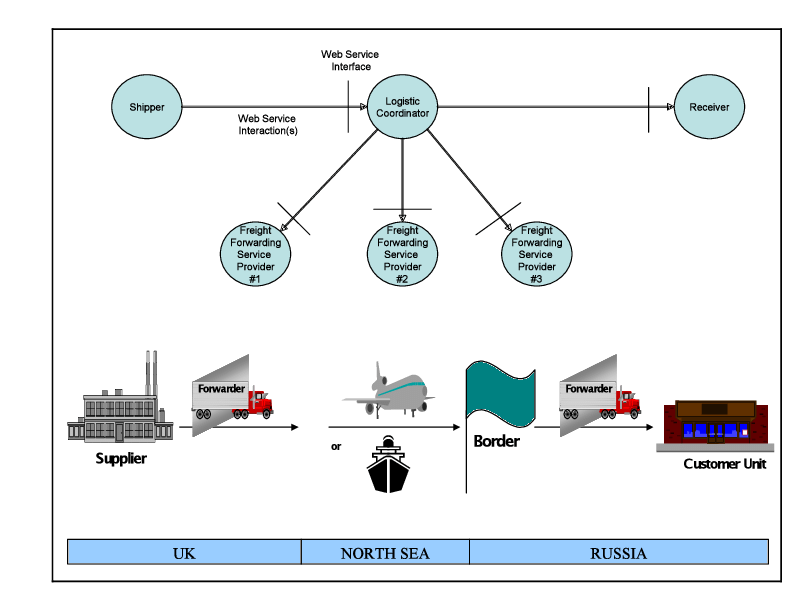
A freight forwarder is a specialist in logistics and supply chain management. They act as intermediaries between shippers and carriers, providing a range of services to facilitate the movement of goods. Freight forwarders do not own transportation equipment but instead coordinate and manage the shipping process on behalf of their clients.

Freight Forwarder - The Logistics Expert

Responsibilities:

  • Booking and Coordination: Freight forwarders arrange transportation with carriers, selecting the most suitable mode of transport and negotiating rates.
  • Documentation: They assist with the preparation of shipping documents, including customs declarations and export/import permits.
  • Logistical Expertise: Freight forwarders offer expertise in navigating complex international regulations, tariffs, and customs procedures.
  • Cargo Consolidation: They often consolidate smaller shipments from multiple shippers into larger, more cost-effective loads.

Advantages of Using a Freight Forwarder:

  • Expertise: Freight forwarders have in-depth knowledge of logistics, helping you navigate the complexities of international shipping.
  • Cost Savings: They can often negotiate better rates with carriers due to their industry relationships and volume of shipments.
  • Simplified Process: Freight forwarders handle the logistics, paperwork, and customs requirements, reducing the burden on your business.

2. You should choose Freight Forwarder or Carrier for delivery?

You should choose Freight Forwarder or Carrier for delivery?

The choice between a carrier and a freight forwarder depends on your specific shipping needs, budget, and expertise. In many cases, businesses opt for a combination of both to leverage the strengths of each entity.

For straightforward, point-to-point shipments, working directly with a carrier may be the most cost-effective choice. However, when dealing with complex international logistics, multiple shipments, or specialized cargo, a freight forwarder's expertise can streamline the process and potentially save you money in the long run.

In the world of logistics and international trade, carrier vs freight forwarder are distinct entities, each playing a crucial role in the transportation of goods. Carriers handle the physical movement of cargo, while freight forwarders provide logistical expertise and coordination. To make informed decisions about your shipping needs, it's essential to understand the differences between these two entities and choose the option that best suits your specific requirements. Whether you opt for a carrier, a freight forwarder, or a combination of both, a well-planned shipping strategy is key to a successful and efficient supply chain.

If you are looking for a reputable freight forwarder, choose WorldCraft Logistics - The leading brand in the international transportation industry, committed to service quality and cost optimization for you. 

See more: About WorldCraft Logistics LLC

CONTACT US NOW

https://worldcraftlogistics.blogspot.com/

>ADD: 1861 Mountain View Ave, Loma Linda, CA 92354

>TEL: (909) 632-1643

>FAX: (909) 632-1208

Shipping Delay 2026: What It Taught Me About the Real Cost of Cheap Logistics

In the logistics industry, silence is rarely a good sign. A quiet warehouse often means a stalled supply chain. As the first quarter of the ...